
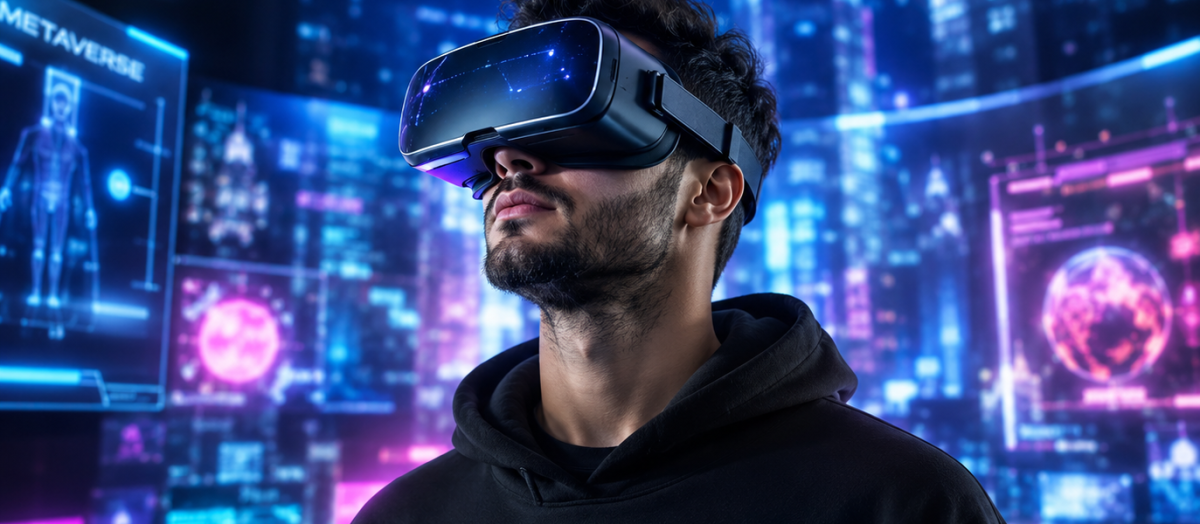
As the world increasingly adopts augmented reality (AR) and virtual reality (VR) technologies, it becomes essential for businesses to communicate effectively in the language of their audience.
- Understanding the Audience: Knowing the preferences of customers in markets like Canada and Hong Kong can help tailor AR/VR experiences.
- Localized Content: By translating AR/VR content into relevant languages, companies can enhance user engagement.
For example, a recent campaign by Flamesquads, a Toronto-based AR/VR agency, emphasized local dialects and cultural contexts, resulting in a 30% increase in interaction rates. Connecting with users on this level creates trust and drives loyalty.
"Clarity and Culture: The Hidden Drivers of AR/VR Engagement
"
In the expansive realm of AR and VR, the language we choose significantly impacts user understanding and engagement.
- Clarity Matters: Using straightforward language helps in conveying complex AR/VR concepts more effectively.
- Cultural Nuances: Tailoring language to fit cultural contexts is crucial, especially for diverse markets like Canada and Hong Kong.
For instance, Alan CL Lee, renowned for his work in the AR/VR sector, successfully launched a mixed reality experience that resonated deeply with the local audience by incorporating familiar expressions.
This attention to linguistic detail can transform a good customer experience into an unforgettable one, fostering deeper connections.
Introduction
Defining AR and VR
Augmented Reality (AR) and Virtual Reality (VR) are two groundbreaking technologies that immerse users in digital environments.
- AR overlays digital information onto the real world, enhancing the user’s experience seamlessly.
- VR creates an entirely virtual space that users can explore, often requiring special headsets to fully engage.
Significance of AR/VR in Customer Engagement
The impact of AR and VR technology on customer engagement is profound. These technologies foster interactive and memorable experiences that traditional methods lack.
For example, a furniture store utilizing AR allows customers to visualize how a piece fits in their home.
This innovative approach not only boosts customer satisfaction but also encourages brand loyalty, proving that AR/VR can be game-changers in how businesses connect with consumers.
The Current Landscape of AR/VR in Customer Engagement
Applications in E-Commerce
In the retail world, AR and VR are revolutionizing e-commerce by bridging the gap between online and in-store experiences.
- Virtual Showrooms: Customers can navigate 3D spaces to explore product offerings without leaving home.
- Interactive Try-Ons: Brands utilize AR to let customers see how clothing or accessories will look on them before purchasing.
A personal favorite experience was trying on shoes virtually through a mobile app—seriously, it felt like magic!
Enhancing Customer Service with AR/VR
Customer service has also evolved with these technologies.
- Real-Time Support: Technicians can provide live assistance via VR, guiding customers through troubleshooting steps.
- Detailed Instruction Manuals: AR overlays visual instructions in real-time, allowing customers to follow along effortlessly.
AR/VR Marketing Campaigns
Marketing efforts have transformed, too. Brands are leveraging AR and VR to engage customers like never before.
- Immersive Advertisements: Campaigns now invite users into interactive experiences rather than passive consumption.
- Gamification: Many companies are using gamified AR experiences to drive engagement and create memorable brand associations.
These strategies not only capture attention but also significantly enhance brand recall, illustrating how essential AR/VR has become in modern customer engagement efforts.
Advantages of Implementing AR/VR in Customer Engagement
Enhanced Customer Experience
One of the most significant advantages of AR and VR is the enhanced customer experience they provide.
- Realistic Interactions: Customers can visualize products in their own environments, leading to informed purchasing decisions.
- Gamification Elements: Engaging content increases excitement around the brand, creating a fun shopping experience.
I once used an AR app to see how a new sofa would look in my living room—instantly, the online shopping process felt much more tangible!
Increased Customer Engagement
AR and VR are also powerful tools for driving customer engagement.
- Interactive Experiences: Users are more likely to participate when they can interact with products virtually.
- Social Sharing: Unique AR/VR experiences often encourage sharing on social media, amplifying reach.
Data-Driven Insights
Beyond enhancing customer satisfaction, AR and VR provide invaluable data-driven insights.
- Behavior Tracking: Retailers can analyze how customers interact with virtual products, tailoring offerings to preferences.
- Feedback Loops: Brands can gather immediate feedback through interactive experiences, leading to faster adjustments.
Combining these benefits positions businesses to better understand their customers and deliver tailored experiences, driving brand loyalty in the process.
Challenges and Limitations
Technology Constraints
Despite the benefits of AR and VR, businesses face significant technology constraints.
- High Development Costs: Building immersive experiences can be pricey, especially for smaller companies.
- Equipment Limitations: Users may lack access to high-end VR headsets or AR-enabled devices, restricting the audience.
I remember when I tried to use VR at a tech store, only to realize not everyone has the required setup at home—such a bummer!
Privacy and Security Concerns
Another important challenge is privacy and security.
- Data Collection: AR and VR applications often collect vast amounts of personal data, raising concerns about misuse.
- User Trust: Customers may hesitate to engage if they feel their data isn’t secure.
Adoption Barriers
Finally, there are adoption barriers that can hinder implementation.
- Consumer Awareness: Many potential users are still unfamiliar with how AR and VR can enhance their shopping experience.
- Training Needs: Employees may require training to effectively use and support AR/VR technologies.
Addressing these challenges is crucial for businesses aiming to leverage AR and VR technologies successfully, ensuring they can offer enhanced experiences without compromising user trust.
Future Trends in AR/VR Customer Engagement
Personalized AR/VR Experiences
Looking ahead, personalized AR and VR experiences are set to redefine customer engagement.
- Tailored Content: Brands can leverage customer data to create unique experiences that resonate deeply with individual preferences.
- Dynamic Interactions: Imagine entering a virtual store that remembers your previous purchases and suggests items tailored just for you!
I once explored a demo where the AR suggested skincare products based on my personal skin type—truly impressive!
Integration with AI and IoT
Another significant trend is the integration of AR/VR with AI and IoT technologies.
- Smart Interactivity: AI can analyze customer interactions and enhance the AR experience in real time.
- Connected Devices: IoT devices can provide contextual data to augment the virtual experience, making it more immersive.
Virtual Try-On and Product Visualization
Lastly, virtual try-on and product visualization capabilities are expected to expand rapidly.
- Fashion Forward: Users will soon be able to virtually try on clothing, shoes, or accessories from home with seamless accuracy.
- Home Décor Applications: Customers can visualize furniture and décor in their spaces, significantly impacting purchasing decisions.
These advancements not only heighten engagement but also enrich the overall shopping experience, paving the way for a more dynamic future in customer interaction.
Strategies for Successful Implementation
Tailoring AR/VR Solutions to Customer Needs
To realize the full potential of AR and VR, businesses must tailor their solutions to meet customer needs.
- User-Centric Design: Understanding the target audience is crucial. Gather insights through surveys or focus groups to identify preferences.
- Customization Options: Enable customers to personalize their experiences, enhancing engagement and satisfaction.
I recall a company that asked for feedback on its VR shopping experiences—adjustments made from that input significantly improved customer satisfaction!
Seamless Integration Across Channels
Another vital strategy is ensuring seamless integration across various channels.
- Unified Experience: Customers should enjoy a consistent experience whether they are online, in-store, or on mobile.
- Cross-Platform Functionality: AR/VR solutions should work harmoniously across different devices and platforms.
Measuring ROI and Success Metrics
Lastly, measuring ROI and success metrics is essential for long-term sustainability.
- Key Performance Indicators (KPIs): Establish KPIs relevant to AR/VR, such as user engagement rates or conversion improvements.
- Data Analysis: Regularly analyze data to understand what works and what doesn’t; make necessary adjustments for continuous improvement.
By implementing these strategies, businesses can effectively harness the power of AR and VR in their customer engagement efforts, leading to enhanced experiences and sustainable growth.
Case Studies
Successful AR/VR Customer Engagement Examples
Examining successful case studies reveals the transformative power of AR and VR in customer engagement.
- Ikea Place: This AR app allows users to visualize how furniture fits in their homes before buying. Customers reported a significant increase in confidence when making purchases.
- Sephora Virtual Artist: Sephora’s app enables users to virtually try on makeup products—leading to higher engagement online and in-store.
I remember using the Sephora app to experiment with bold lip colors before my next night out; it made my decision-making process so much easier!
Impact on Brand Loyalty and Sales
The impact of these technologies on brand loyalty and sales is undeniable.
- Increased Retention: Brands utilizing AR/VR report higher customer retention rates as users appreciate the immersive shopping experiences.
- Boosted Sales Figures: Businesses have noticed a significant uptick in sales; for instance, companies implementing AR features have seen, on average, a 30% increase in conversion rates.
These examples showcase how AR and VR not only enhance customer engagement but also drive brand loyalty and sales, proving their value in today’s competitive marketplace.
Ethical Considerations and User Experience
Maintaining Transparency and Trust
As AR and VR continue to evolve, ethical considerations become paramount in preserving user trust.
- Clear Communication: Brands must clearly communicate data usage policies to users. Transparency about how personal data is collected and utilized can foster trust.
User Control: Allowing users to manage their privacy settings empowers them, encouraging engagement without anxiety over data misuse.
I once appreciated a brand that explicitly informed me about how my data would be used in their VR app—having that clarity made me much more comfortable with the experience.
To learn more about how AR and VR are transforming creative marketing experiences, check out this detailed overview by FlameSquads
Designing for Accessibility and Inclusivity
Equally important is designing AR and VR experiences that are accessible and inclusive.
- Adaptive Technology: Consider incorporating features for visually or hearing-impaired users, ensuring everyone can enjoy the experience.
- User Testing: Engaging diverse groups in the testing phase can highlight barriers and lead to more inclusive designs.
By focusing on these ethical considerations, companies can create AR and VR experiences that not only engage but also uplift all users, ensuring a positive impact on society while fostering deeper connections with their audience.
Ready to create immersive AR/VR experiences that resonate with your audience? Contact Flamesquads today.
Comments (7)
Comments are closed.